Tag Archives: friends

Rubbish stories 3: Willow & Harper

“Fucksnatch” Harper blurts as the bag splits.

“Harp! Oh Harrrrpeeeeeer, chase it!” yells Willow, giggling.

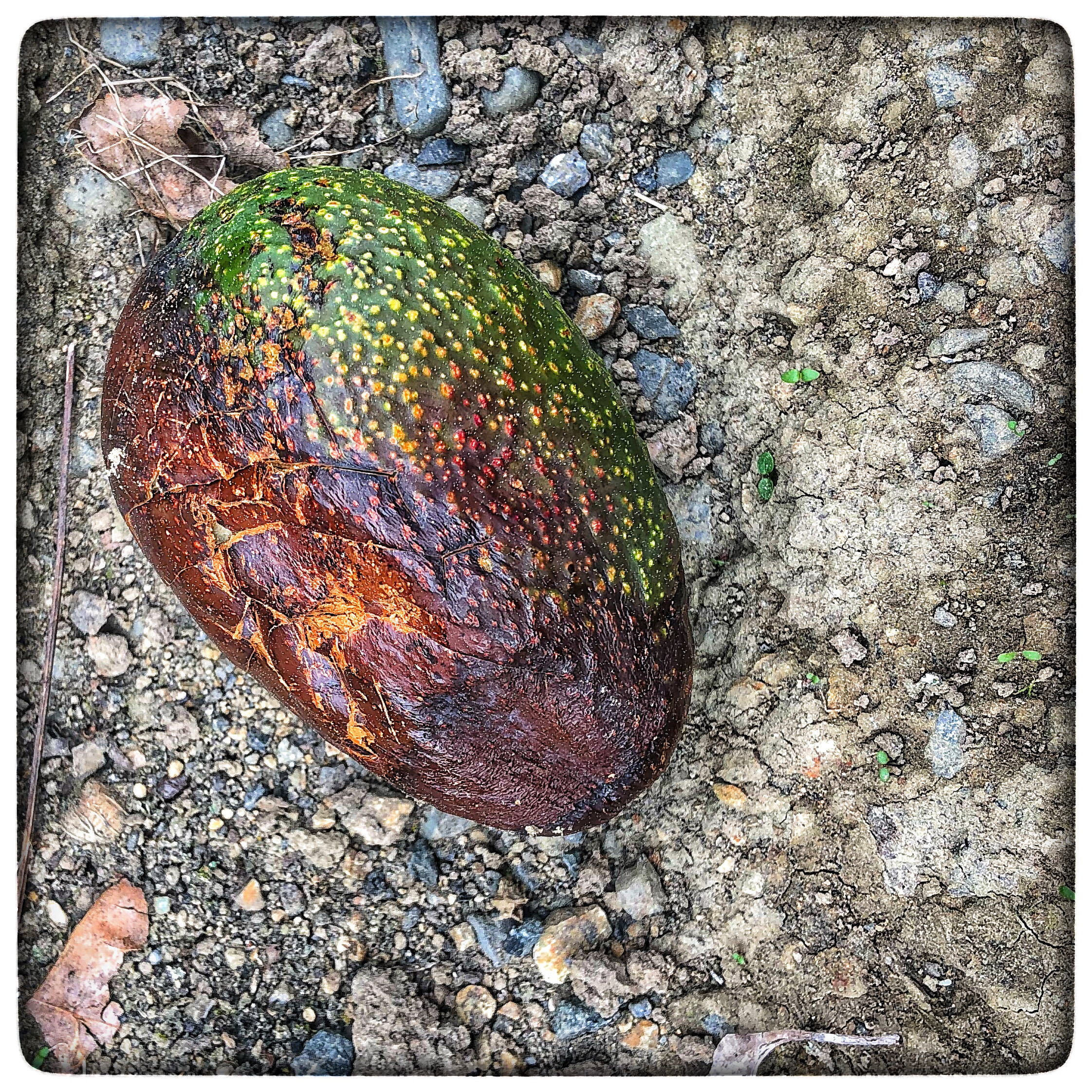
The avocado tumbles down the gutter faster than Harper’s motivation to chase it.

“Fuck it,” Harper says, kneeling to repack the one intact bag-for-life.

“Come on, you’re not going after it?”

“It’s one avocado Willow, I ain’t climbing this hill again for one unripened vegetable.”

“Maybe that’s why we’re being told we’re wasting all our money on smashed avocado.”

“Ha fucking ha, cram some of this in your backpack will you?"

Willow grins and squeezes the tub of salted cashew ice cream into her pack. 

“Seriously though, four weeks into lockdown I’m going stir crazy. Then I read that the government is supporting training, and I’m like, why the fuck can’t I design electric Harleys?“

Harper gives a shrug and pulls her vape out, inhales, puffs out a thick scented cloud of vanilla custard.

“What you need is one of them tech guys, all money, no self confidence. Build em up, bleed em dry, boot em out”

“Mmmm, and how did that work out with Caleb?”

Harper shrugs again.

“‘Apparently there’s more to making a billion in crypto than that boy’s prepared to learn.”
Willow takes a long breath and lets it out slowly, shaking her head. Harper carries on.

“We have to face it girl, we’ll never own houses. We won’t have friends named Tarquin or Genevieve or fucking Riccardo. I got a reading from that Ruth woman, you know, Delilah’s Mum. She says we’re a product of destiny. Fighting it’s a waste of spiritual currency.”

Willow looks over her nails, the worn blue paint, and lifts a lazy yet highly defined eyebrow.

“Do you think maybe it’s the people we surround ourselves with, which maybe hold us back, Harp?”

“Na, you’re trippin’, we’re surrounded by the same damn people. Next thing you’ll be choosing fucking Mima’s fucking yoga retreat over my 50th”

Willow turns back to face Harper’s incredulous expression.

“I just need to...evolve Harp.”

Harper lifts her brows in contemplation.

“I mean sure, I’m all-the-fuck about evolution, just so long as I don’t gotta change.”

Tools for being Human, part four: Dancing

dance

I’ve always had a complicated relationship with dancing. I don’t think there is anything I’ve ever felt so embarrassed doing, so many times, yet still felt a compulsion to repeat. Not even skateboarding. But I’m writing about a hundred things that help me feel human, not a hundred things I’m really good at. And there are times that moving to the rhythm, has a power to lift me beyond troubles, over hurdles, and beyond the reach of apathy. But there are other times that I stand on the edge of the dance floor and something inside me won’t allow my soul release.

I think key to understanding my schizophrenic response to the tempo is to map my rhythm-enthusiasm against my self-confidence. On the courageous evenings when my assurance is firm, my rhythmic libido is freely exposed. On the darker nights of the soul, during those long hours in which I suspect I was placed on this earth as a lesson to others, there’s no way this fool should be on the d-floor. No one should have to bear witness to an uncommitted dancer.

I guess I should take time to understand how I came to this perplexing state. Maybe it is time for a little journey through my history with dance.

The Waltz

Ballroom dancing lessons. Who the feck decided the best way to prepare me for the real world was to force me into such a blush summoning, sweaty handed, gender-based Mexican stand-off? Thirty eight boys along one wall, thirty-nine girls along the other. Acne, quavering voices, levels of anxiety off the emotional Richter scale. Ok, ok, within all that terror and unrequited adrenaline there are slivers of excitement. The slow building drums of Fleetwood Mac’s “Tusk”, those few, thin moments in which a girl approaches me, just before hope gives way to suspicion she’s acting under the power of a dare.

But it was in these sessions that I learnt of the fragility of hope. And that my ego was equally delicate. And that people I barely knew had the ability to fracture either with a simple, uncaring rejection. Films and television had intimated that my first dance would a series of stuttering moments, mis-steps with a soundtrack of mutual giggles. My hand held gently against the fabric of the back of her dress, her eyes and mine sharing brief glances. Reality delivered a sweaty angst-fest that very nearly put me off The Dance forever. It is only in writing this that I realise hip hop might well have saved me.

The Backspin

This was it, the phenomenon that let me believe dancing might actually be a legit part of my existence. Break dancing had “cool” accessories: a slice of metre-square  linoleum, an aunty-crafted  set of purple MC Hammer pants, a hand decorated ghetto blaster. Practice sessions were held in friend’s garages, or their bedrooms, one of us trying to desperately to balance single-handed on a coke can, the other clapping encouragement. Encouragement!

Us white boys lived so far from the ghetto we get to dance to caterpillar to the Footloose soundtrack without fear of dance-related beatings. There were rumours that huge gangs of angry teens in New York settled issues with dance-offs, so in a distant-cousin kind of way we were by association gangster, fly, on the edge of something our parents couldn’t understand. Superhero moves, running up walls, flips, high-tops. And the robot. I’ll never forget the feeling of the clap circle as I twisted into the start of an epic windmill, only to collapse in giggles and be hauled to my feet by friends. The memories of enforced waltzes weren’t forgotten, but Grandmaster Flash gave dance a fighting chance.

The mosh pit

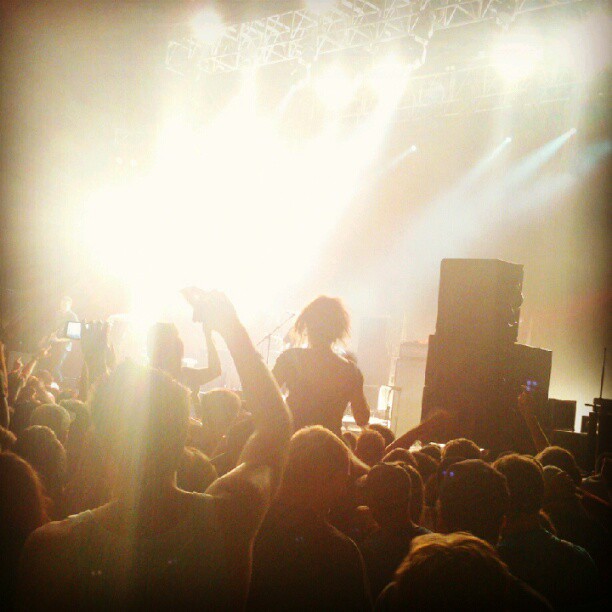
There’s dancing with partners, there’s dancing in the centre of the circle, and then there’s the mosh pit. It isn’t easy to describe the uneasy combination of high intensity thrashing and a pervasive awareness of each other’s well-being. As one person goes down, others draw them up. As I launch myself into a shoulder charge, I’m landing my shoulder into another, I’m inflicting only the gentlest of bruises as guitars wail and drums thunder.

The pit is an example of mob mentality with a positive modifier. As you’re drawn into the front-of-stage crowd you become a part of it. It exists as an outlet for expression through physicality, but for me it is also an opportunity to be physically one with others. The moves are barely articulate, pogoing, short runs, twists to free yourself of the centre, and ultimately stage dives. But for me it is a way to hold onto others amongst the music, to feel part of something that extends beyond my own body. And there is something unveiling in aiming to appear out of control, and yet being aware of every twisting spirit around me. Rebellion tempered with empathy. I think it’s that tension that I enjoy, and the feel of the arching floorboards throwing me higher than the beat.

The rave

The millennium, champagne, pills, lines, Vauxhall Bridge, Swedish twins DJing, my first crack at the turntables. My introduction to rave culture was a trial by toxicity, my guide an Australian chef. Within a few hours the music finds a place within me, rounds out my skull, trembles down my arms. The courtship of narcotics and tunes, the slow build, the breakbeat, the pause and release. Music that only makes sense when you dance it.

My relationship with drum and bass and garage and trance was brief and intense. Two, three years, chasing what in the dusk felt like humanity’s best chance for empathic union, and in the dawn felt like a plot to enslave a generation of addictive personalities. But there’s something about dancing towards the DJ, lasers lighting up smoke, water bottles in the air. Your focus is forward or inward. With no audience there’s less room for inhibition. Just you , the tunes and 5,000 megawatts of lasers.

And so…

Hmm, ok, there’s a lot of good times in there. If I also add in all the slow-foot reggae shuffles in the sun, the car seat boogies on long road trips, the Forbidden Dance, the silent discos, dance has given far more than it has taken. And I guess it has never really taken anything, rather I’ve just not been in a position to give.

In future I’ll try to use some of these other tools to ensure I’m more open to her charms. And to my own.

Being a part of something (but not just anything)

Legs

Five days out from the pass through the Pyrenees, less than 100 miles from the French border, I was close to lowering my pack gently to the warm, dry earth and waiting for a bus. Just a fifth of the way through an adventure I’d been thinking about for nine years, I came uncomfortably close to giving up, and that moment of compounded doubt has been weighing on me over the past couple of months. With some time for reflection, my frustration and despondency was largely around what I felt was a lack of ‘community’.

For years now, my travels and experiences have been about engaging with new groups. I can bus and bike and walk between places, but it is the ‘dwelling within’ that I need. I love that feeling you get working, eating, drinking and dancing as part of something, a trailer park, a village, a castle estate. I like to feel as if I belong, even if for just a few weeks. I can see the roots of this in my teenage years. At around fourteen I moved from one class to another, away from all my mates, which began a period of angst tinged adjustment. I concentrated on my studies, and exam results were great, but I missed banter, camaraderie, teasing, and hearing that a girl might fancy me. So that summer I held a party, and made new friends. Once school restarted I spent study time remodelling the school’s furniture, learning a dozen ways to make imitation marijuana scents to frustrate teachers, and slipping out with Darren to go on a booze buying mission for his next party. My grades slipped a little, but the social rewards were worth it. I remember the slight disappointment as I saw what my compromise had done to my exam results, but I knew I had good friends, a long Summer (and Guns ‘n’ Roses ‘Appetite for Destruction’) to pull me through.

As I’ve continued to push, pull and swing myself through life, I have done whatever I could to ensure I was part of some sort of group, even if it meant occasional new compromises. I hung out with goths in the graveyard, moved from one country to another, changed jobs, grew my hair, cut my hair, dressed as an Orc at nights, moved into an artists squat, took up chainsaw sculpting, all so that I might be able to share my days and nights with good people. I draw so much energy from having others with whom I can laugh, apologise, confess my sins, indulge in new ones, and recite classic stories with over pints and chips. So it is very difficult for me to imagine how people manage without that sense of belonging.

On my fifth evening in Paris, several people attacked concert-goers, drinkers and diners, in a choreographed symphony of destruction. As I lay propped up against the wall in Montmartre, listening to helicopters and sirens, I kept circling back to ‘why’? What state of mind do you have to be in, in order to be drawn into a group that is willing to unleash such fury? And all I could think of was those people pushed to the edges of a society, those without that sense of belonging I find so essential. If I had grown up marginalised, harassed, even despised, if I didn’t have the support of family, friends, peers, what path might I have chosen? If the Hells Angels, or Jahovahs Witnesses, or local ISIS recruiters offered me a chance to belong to something, could I really be blamed for reaching up an arm and letting myself be drawn from the pit?

Of course I then rally against the idea of what I’d have to do, how I’d have to change my thinking in order to even get through some of the initiations for these groups. Paying money to advance to the next level of scientology, learning to refer to my workmates as ‘people capital’, beating a defenceless person with a crowbar. But then I remember all the small (or large) compromises I’ve made myself, in order to belong to something. And I think of the despicable ways I’ve seen some people behave within corporations, as if being part of a business excuses you from having to be human. When did that person’s need to feel like part of the management executive team eclipse their need to be kind, considerate and reasonable? How much time without positive human contact would it take, before I decided I was prepared to compromise my morality, my rationality, in order to get to share wear a uniform, secret handshake and ammo collection with a bunch of people who were just as lost and misplaced as I was?

The morning after that day of doubt on the Camino, the sun shone. I had discussed my difficulties into the evening, and I had decided to alter my approach to the journey. I realised that in order to find community I had to offer it. I took the time to talk with people who sat alone, and I offered my own stories freely, without expectation of reciprocation. And as seven days became sixteen, and one hundred miles became two, we all underwent testing times, physically and emotionally, and there in the cracks, that was where community grew. Because as our vulnerabilities were exposed, as we became part of each other’s solutions, and as our stories began to entwine, bonds were formed. And we all began to have faith that the next time we struggled to shoulder our pack and stand, that we would find someone standing above us, offering a hand up, and a smile of understanding.

Whether we want to admit it or not, we are all our sister’s and brother’s keepers. It is no good ignoring people that are struggling, or alone, or broken. Because it is when we feel that we no longer have anything to lose, that we are at our most vulnerable and susceptible to the will of others. We need to remember that people want the same things, no matter what language they speak, or what name they have for god. They want to feel important, included, valued. If you have friends, family, workmates, support, then maybe consider asking one more person to join the football team next winter, or come to your place for New Years Eve, or to the beach for a swim and ice cream. Because surely it is harder to grasp for the unthinkable, if you have friends holding both your hands.

I am back in New Zealand, back in my small community, where I have ready access to people, smiles, and ice cream. But over the past three months I was on the other side of the world, and most of the time I felt like I belonged, whether I was in London, Burgos, or even Zubiri. Thank you to everyone I met and walked with on the Camino Frances, I was honoured to be part of your journeys, your triumphs, your disappointments. And thanks to everyone I met afterwards, old friends and new, you welcomed me into your homes, your families and your Hip Hop album releases. Mucho gracias.
The potency of ideas

reclaimed_world_v_by_reganbarsdellWhen we talk with people, frequently the conversations are about people or things. But a friend pointed out to me that the most enjoyable and unforgettable conversations, the ones that keep us up until 3:00am with light in our eyes and a music in our voices, they tend to be about ideas. I love these freeform explorations of theories about life, about love, about the games people play and how sometimes we just want to stop playing. We chase down possibilities and implications for hours, and as the sounds of a new day penetrate the haze of weariness we slip off to bed with dry mouths and happy hearts. And occasionally the ideas echo in our dreams and become part of us.

Of course ideas are often humble, ephemeral, things. I might have an idea that tea smoked sweet-potato might work well with a pork and cider casserole. The world doesn’t shift. But at their most potent, ideas can change lives, families or even the direction of the world. The distribution of confidential files via WikiLeaks, the creation of Braille for the visually impaired, the recording of Prodigy’s ‘Firestarter’, these things were not accidents, they were all the result of ideas. The idea that there should be ways for anonymous sources to distribute important information, the idea that the sense of touch might replace that of sight in reading, the idea that there was room for an aggressive shift in UK dance music. The fundamental power of ideas is in their ability to transform, to invoke or contribute to change. Sometimes that results in a new flavour of crisp, occasionally it spurs a significant shift in global politics.

As a writer, I’m far more likely to attract people to my novels if I can raise interesting ideas. A novel is four hundred blank pages in search of an engaging concept. I want a night spent with my books to leave the reader feeling invigorated, excited, occupied, just like I do after an engaging conversation with friends. So I spend time reading of wolf hunting in old Russia and imagining what might happen were this tradition brought back to the rejuvenation zone around Chernobyl. I’ve spent the last few days trying to track down a Rabbi with whom I can discuss Judaic ideas on how to start a modern cult. I’ve started outlining a story set inside the hope bubble that ballooned in the second half of 2008 as the world held its breath as votes were counted towards Barack Obama’s election to presidency. The more I work with ideas, the more I understand of their potential.

But it was quite recently that I realised the impact that my own adoption of ideas had on directing my path through life. From ‘I need to visit a new country every year’, to ‘outrageous behaviour is my best hope for engaging with others and combating shyness’, ideas have long been the sub-conscious authors of my destiny. And with this realisation I began to understand ways in which I could take a more active role in plotting my own story. I examined my ideas about myself and the world, and I dropped a couple of them, and took on a couple of others. So now I have a few guiding ideas, they’re a little like beacon fires lit on distant mountains, they’re reference points for when I’m feeling a little lost. If I’m not sure whether I should pack in my office job and move to the country, I look to those ideas for an answer. If I’m not sure about whether I should begin creating my own alcoholic bitters to sell at local weekend markets, again my ideas can offer enlightenment.

Of course this means the ideas I choose to adhere to become very important, as they’ll influence decisions on everything from relationships, to careers. I’ve become even more reluctant to take on someone else’s ideas. If I come up with a new idea myself then I have a chance of understanding of its genesis, but if I opt to take on someone else’s philosophy, then I owe it to myself to examine it carefully first. What are the costs and benefits, for myself and others? What evidence is there that it will lead to improvements for me, for my community, for the people I care about? I owe it to myself to analyse ideas before I choose to adhere to them. Thank goodness for those people who love long conversations over mulled wine or cider.

Nine years ago an Irish tour guide described to myself and a room full of backpackers his most recent journey. His description of the El Camino de Santiago, a 500 mile walk across the north of Spain with an ever-changing cast of characters, was enticing in itself. But it was the idea behind the walk that seeped into my sub-conscience, and eventually resurfaced a couple of years ago, after another set of long conversations. Last night as I wondered about the best way to deal with blisters, I listened to a Galician woman express one of her ideas about the Camino. She explained that many of the pilgrims started the journey with a pack heavy with the weight of their fears. They carried extra shirts against the fear of their own odour, medicine kits against the fear of illness and injury, and chemical repellents against the fear of insects. But quickly they come to understand the burden of this extra weight, and they begin to shed their baggage. And within a short time they travelled lightly, for distances which stretched beyond the end of the trek.

In three weeks time I won’t just be setting off on a long walk, I’ll also be embracing a new set of ideas.

On choosing heroes

Heroes 2

When my ancestors were young I like to think that their heroes were knowable, that they were members of their families, their tribe. I imagine they would sit gape-eyed at the feet of the elders and listen to tales of hunts for better lands, confrontations with long-toothed predators and the chaotic mood swings of the mushroom-powered shaman. They would then hug the cast of the stories before they went to sleep, or sneak a peek at them over the camp fire as they keep watch out over the plains. I think that it has always been important for us to draw inspiration from positive sources, and I don’t think we should lose sight of that as we grow older.

As I was a nipper my world view was influenced by my Grandmother’s eel hunting exploits, my Uncle’s exotic travels and my Grandfather’s explanations of how storms build. Soon I discovered I could share other’s lives through reading, and I found a new additional cast of heroes, exciting people and creatures I’d never met. I learnt moral lessons through the exploits of wolves, swordsmen, and most importantly boys who ended up on accidental adventures. I could then engage my imagination and draw some aspects of my day-to-day world into these fables. I’d imagine Hiawatha being as feisty as Renita in my maths class (until she started calling me square-head), and whenever I encountered a sea-faring adventurer they had my Dad’s knowledge of the sea along with their Captain Haddock beards and inventive line in curses. The converse is that I could also take the lessons I learnt from my stories and apply them to the world around me.

The stories that we directly or indirectly place within our children’s grasp help them determine what we deem as important. And if was tales of honour, honesty and strength that I could access at eight, they subconsciously affect me at fifteen, and still echo through my ideas as I make decisions in my forties. It’s so important then to offer up positive role models for those we’re trusted to influence. If we replace Asterix, the Famous Five and Tom Sawyer with a couple of Kardashians and a Rihanna then perhaps we deserve to reap what we sow. And to focus this even further, I think there is huge value in helping people find heroes in the people that surround them.

As I’ve gently (cough) aged I’ve abandoned the untouchables as an influence on my behaviour. I’ve replaced H.R. Giger, Timothy Leary and the guy who got to play Boba Fett with people I’ve shared travel, conversations and tears with. I’ve realised that the people most capable of inspiring me these days are the ones I can share real life adventures with. Rather than hoping and wishing to have a life like a Rock God or Somali pirate I aim to be as patient, tolerant and thought-provoking as the people I meet in trailer parks, Hallowe’en costumes and woodland cabins. I think it’s important to be continue to be mindful of who we look up to our whole lives, as like snow-boarding or motorbike riding, wherever you aim your gaze that’s where you end up heading for.

Why though do I think it’s important to replace those who have reached fame and mass market appeal with local heroes though? It starts with being human. I remember watching a Miss World competition when I was young, and as I watched the parade of pretty ladies I thought how strange it was that I knew girls at my school who were more beautiful than any of them. The girls I shared classes with so much more than an image, they ran races against me, beat me in spelling competitions, and shared stories of unicorns with me. It was the fullness of these girl’s character in which I found much of their delight, and so now I get dismayed and sometimes a little offended when people choose to promote the media creations they read of in magazines over the people around them.

There is a danger in choosing to worship images without flaws as none of us exist without learning from our failures. We’re all imperfect. If my heroes are knowable their glories can be offset against their flaws, they become human, and then I can hope to strive to be their equal. When we meet and get to know other people we get to understand the motivations behind their loves, the frustrations behind their anger and the sources of their sadness. In growing to understand the way they handle these things we can learn powerful lessons.

The other incredible benefit of local heroes is the chance of mutual inspiration. When I was a child I used to dream of earning Tom Sawyer’s respect in a battle of wits, and now I actually have a chance of offering my heroes something to think about. There’s a chance that I’ll inspire them with my own tales, what greater reward is there than having someone you respect and admire cock their head at something you say, and think it through? Sometimes we fail to realise that our own experiences can offer important lessons to others, even our perceived losses or failures.

As I grow as a writer I become more understanding of what it can take to succeed in a creative field. My writing heroes growing up were great and popular novelists like Orson Scott Card, Stephen King and Ernest Hemingway. Since then I’ve read of their techniques, beliefs and habits, burrowing through their writings for inspiration. Just a few months ago though my first girlfriend contacted me after reading my blog on ‘being shy’. When I left her all those years ago she was working on her first article for a national newspaper. While we were together she had always written fantasy stories and I used to be fascinated at the back-stories she had for her characters, though I don’t remember letting her know just how much depth I found in her ideas. Sigh. To date she has published several books and attends conventions across the USA, inspiring new authors. Her vision, her determination, her path-building is now a very personal inspiration. I’ll continue to re-read King’s rants about adverbs, admire Scott-Card’s endless inventiveness, and hope to live my stories half as dramatically as Hemingway, but it’s her that I think of when I hit walls of frustration.

Pip is just one of the many people who have helped me find the energy and drive to strive towards my dreams of sharing my stories and ideas. Reading books as a child armed me with the heroes I needed for my battles through childhood. Writing books as an adult is introducing me to the heroes I need to lead me through my emancipation as a freer thinker. To all those people I’ve met that lead their lives rather than being led by them, I thank you. To each of you that makes the difficult decisions in the face of disapproval and disbelief I salute you. None of us should ever settle for less than what we think we are worth, and if we forget from time to time how valuable we are, we only need to look around us for inspiration.

365 days on

Arbour

I don’t always want to look backwards on New Year’s Eve but this year has been my most transformative ever, and the happiest I can recall. I had some sad and harrowing moments, but these were entirely offset by incredible times with beautiful people, many of whom helped me learn to better understand myself. Old friends and new have provided new viewpoints, unconventional ideas, and someone to measure myself against. Four people in particular have helped me understand what it is that makes me happy: a couch surfer, a film maker, a child and my new best friend.

A Canadian dancer and snake breeder entered my life through a Couch Surfing request late last year. Over a couple of months this independent thinking woman introduced me to the possibilities my own country offered. Seaweed soups, diving for paua (and ending up with sea snails), and late night discussions on a nest of sofas were among the more endearing moments from our friendship so far. But it was her deep and thoughtful contemplation of the ways in which she interacts with the world that had me cocking my head like a curious spaniel. She introduced me to a range of ideas more quickly than I was able to take them onboard, but I’ve spent many odd moments digesting the fruitful concepts she fed me and adding them to my understandings. I’d like to thank her for living her life like an adventurer no matter what her circumstances are. She helped draw my eyes up from my navel to the horizon, and helped me understand how to plot a new path for myself.

An American film maker was a second Couch Surfing discovery. Our friendship was born from similar interests and it grew quickly through the sharing of incredible experiences. We spent six weeks soaring in New Zealand, teaching each other, complementing each other’s world views and growing as individuals. But when I caught up with her later in Colorado we found a way to undo our bond with doubts and insecurities. We sacrificed our ability to inspire each other to better things and I came to understand the fragility that our pasts can instill in us. I gained from our time together though, she taught me to write as myself, to have faith in my good nature, and never to place too much trust in the judgement of others. As we travelled through the heart of the United States I began to truly understand the deep beauty of the world we live in through her gentle appreciation of the intricacies of nature. I’m forever grateful for the time we had together, though sad it had to end with us managing to grow so far apart.

The new child in my life is my wee niece. When I returned from my travels I visited my brother, his girlfriend, and their duck-fixated daughter. She taught me of the ability of children to reconnect us grown-ups to our truer selves. When she crawls into a room she’s a focal point, and it is endless fun watching normally taciturn New Zealand males gently place their beer bottles on the table and sink to her height, replacing stoic stares with wrinkle-webbed grins. Though children this age are armed with only facial expressions and grunts, they are a reminder that even without language we can communicate so much. This smiling little girl also reminded me that I never want to forget how to find simple pleasure as she does, in the way clothes hanging on the line cast bouncing shadows on a lawn, in the potency of the flavour of a lime, in the infectious giggles of others. Plus she’s going to grow into an awesome excuse to buy slot car sets and radio controlled cars over the next dozen Christmases.

The fourth and most important new person came into my life just as this amazing year was coming to an end. I arrived back in Aotearoa ready to carve out a new life, to create a beautiful, simple space in which I and others could learn to craft their own homes. As I began my hunt for land I met this woman, this fiercely independent kiwi girl who has lived her life making difficult choices and then learning so much from the consequences. In a year of meeting influential people she’s been the most incredible revelation of all. She’s someone who understands the joy of thinking independently, the importance of living within the world rather than just on top of it, and the benefits of living mindfully. She sees and appreciates me for who I am, rather than who she or I wish I could be. She magnifies my hopes and amplifies my dreams, and I hope that I contribute as much positivity to her life as she’s already brought to mine. I like to think she’s the best possible reward for simply being good.

I’ve been fortunate to travel this year and meet a beautiful array of people in the places I visited. I learnt the pleasure of the honest compliment from Ron in Colorado, rediscovered painting for the sheer joy of it with Belfast Kate in Derry, and rediscovered the poignancy of romance when I visited the lock bridge in Cologne with Ilja and Ivo. But returning home reminded me that we don’t always have to hunt out great people in Reykjavik, Westmeath or South Dakota. Catching up with my cousins Ben and Bam reminded me of how much fun it is to return to the people who knew you as a volatile young immortal, and I met the most important person of my new future in Cuba Street, over a cup of tea and forty minutes of breathless conversation.

So this year I’m not going to a big New Years festival, or catching a flight to Fiji. Instead I’m going to spend the evening with my cousin’s family, along with my guru/mentor/heroine. I realised some time ago that it isn’t the setting that’s the most important thing, it’s who you share it with.

Some of my most memorable events of 2013:

1. Dolphin swimming in Kaikoura, capturing it all on GoPro, and then it being set to one of the most beautiful pieces of music in the world.

2. Realising the true impact of altitude after (very briefly) chasing a fit young dog up a mountain at 10,000 feet in Colorado, surrounded by wild elk, deer, and evidence of bears.

3. Experiencing extreme-costume-envy as my sister and I engaged in a Derry Halloween. Her home-made ‘Beaker’ costume hatched smiles in children, flashbacks in adults, and a great photo of her and I high-fiving in front of a Northern Irish police Land rover. And having the photo taken by a PSNI despising Belfast girl dressed as ‘Spring’.

4. Watching my usually-separated-by-thousands-of-miles family battle it out to get to sit next to my nine-month old niece at a gorgeous meal in a sunny Marlborough vineyard.

6. A day which started in Paekakariki laughing more deeply and painfully than I have in years, and ended in Shannon where I realised coming back to New Zealand was the best decision I could have made.

8. A night in a lighthouse on Wellington’s South Coast, watching the skies transform and realising there was no other place on this Earth I wanted to be more.

9. Hiking to the cold face of Franz Josef glacier whilst being overflown by hundreds of helicopters in the breaking light of dawn.

10. Being introduced to the ‘tiny house’ movement by Jupiter, in her gorgeously renovated trailer at the base of the rocky mountains. Be well, Jup’s, my thoughts are with you, wild woman.

11. My Grandmother Zoe’s wake, a chance to learn how she impacted so many people in such favourable ways.

Happiness

Hoss 2

Over the past week I’m the happiest I remember ever being, but why is that? I feel a need to delve deeper into my state to understand its source, to determine what things lie behind it, as maybe then I can perpetuate it. I’m not looking for a universal answer, I have no doubt we all vary in the catalysts for our joy. I’ll be happy enough (haha) if I can develop a personal answer. And in the hunt, maybe others will find something useful too.

After recently spending a short time living at the base of the Rocky Mountains and then in the Scottish Highlands, I’ve come to better understand how much my surroundings affect my mental state. When I spend time living in busy spaces, be it the centre of Edinburgh or the edge of Wellington, I find I can jitter under the influence of too many distractions. My thoughts reflect the rapid changes in my environment and while I am thrilled to be able to access so many different experiences, I struggle to prioritise the important things. I get distracted by the process of just living. As a result I frequently feel an urge to climb aboard a train to Shannon, or bike down to Leith, or catch a boat to Marlborough. And when I do this, when I disembark into birdsong, ocean breezes and woodland scents I can’t smother my grin. I’m bounded by stretched out horizons sculpted by natural forces rather than urban planners. My thoughts slow to match the pace of my new surrounds, the slow steady shift of the seasons, the tides, the weather. And amongst the trees, hills and sand dunes happiness finds its way into me a little more quickly. Or maybe it’s just that there is less to distract me from its persistent presence?

One of the great by-products of time spent surrounded by Scottish Lochs, Kapiti Coast estuaries and Colorado foothills is that these immersive and ever-changing environments inspires physicality. I want to bike through them, hike amongst them, climb them, jump into waterholes from them. They encourage natural paths to fitness, and when I’m fit and active two things happen. Firstly I no longer have to think about how unfit and inactive I’m becoming, and that’s such a hideous, ugly psychological burden. Secondly I want to share my love of these spaces with friends and family. So rock climbing, swimming and water fights replace pub haunting as my communal activities of choice. And I honestly believe that the relationships developed through positive activities can be stronger and deeper than those developed through sharing shouted conversations in nightclubs. Of course there’s little better than sharing a glass of wine or cider on a beach after a hard day in the outdoors…

So there’s a degree of physicality involved in my ongoing happiness. But these natural spaces also tend to enhance my creativity and I need to create to feel whole. I need to write long letters, draw intricate sketches and build cairns from stones harvested along river banks. It’s this making, crafting, doing, that is one of my best indicators for how comfortable I am. When I’m happy my creative capabilities become second nature, they flow more cleanly from me. So I guess in some ways they’re a symptom of my happiness as much as a cause of it. But sitting making pottery in the woods isn’t enough, not without anyone to share the results with. I love people too much.

My relationships with other people might well transcend all else as the primary keys to my positivity. Over recent years I’ve realised that I don’t need to entertain people in order to hold their attention, I just need to be myself. I’ve always enjoyed listening to people, trying to understand the things that they believe about the world. Taking up writing has intensified my interest, and I love talking with new friends and old, and engaging with them. I’ve been through enough ups and downs in my life to be finally able to offer long, deep, meandering conversations that can be of benefit to both those I talk to, and to myself. It can be scary at times, letting people see the real me. But it also seems to enable my friends to talk more honestly about themselves, and these growing relationships make me happier than anything else.

I’ve also learnt the value of being a positive person, on being a beneficial influence on the people whose company you enjoy. This has left me very grateful to the people I’ve learnt this from, and I’ve found that expression of this gratitude is another key to a blissful state. If I take the time to talk honestly to people about how much I appreciate them, or what they’ve done, we both get to feel good about it. At times that’s difficult in a low-key humble-is-best country like New Zealand, people aren’t always comfortable with having their little kindnesses praised. But it’s one of those things that takes just a little effort, and rewards both parties, despite any potential blushing and mumbling. I am helped along every day by people, and I want to always remember to acknowledge this, and to learn from their generosity of spirit.

As I’ve been writing this article I’ve realised that the simple process of learning new things is one more thing that brings me joy. I gain something from learning new things. The act of discovery, of learning new skills or simply improving my knowledge motivates me. I love researching the history of wolf hunting in Russia, or learning how to craft straw bales, or how to whisky is made. Or delving into what I need in order to be happy.

It seems then that all the conditions for living a pretty sweet life are within my control. They’re all reassuringly positive, I don’t get off on lighting fires…actually, maybe just a little. But good fires. But it’s not the denigration of others that makes me smile, it’s not the harvesting of power, nor the accumulation of wealth. I simply need to immerse myself in my environment, in my creativity, and in my relationships with my friends. It is very heartening to realise that happiness might well be a lifestyle, rather than a destination or a goal.

The benefits of walking an honest path

Nine months ago a friend introduced me to the idea of the ‘law of attraction’. This metaphysical concept states that whatever vibe we push out into the universe, we then tend to attract back in response. So if we start thinking we’re fundamentally worthless then this idea begins to permeate our thoughts, our emotions and then our behaviours. All of this will all be picked up upon by the universe and as a result we’re more likely to attract people who are as worthless as we feel. Obviously this can be put to far more positive uses, and I realised this morning that I have grown to believe in a variation of this idea based on honesty. If we’re able to project our honest selves, we’re more likely to attract people who are honestly like ourselves.

Anyone who has spent time around very young children can have little doubt that we start life as emphatically honest creatures. Any kiss stolen from the milkman, chocolate lifted from the pantry or weight put on by a relative can’t pass without comment. And thus begins the first lessons in moral ambiguity. Those that raise us usually teach us that ‘white lies’ are ok,  and that we should hold back the truth if it’s likely to cause offense. As we stretch into our teenage years we learn that no-one’s arse looks big in anything, that the girl or boy who pretends to hate you is often the one that is too scared to admit their secret passion, and that your parents will reject you if you admit you’re gay. We’re coached to know when to conceal truths. If we’re lucky we were raised to avoid using a lie as a truth, but rarely are we schooled in the dangers of failing to disclose what’s in our hearts.

I had my own collection of secret shames as a teen. My hidden crushes, my inability to contribute my virginity to a good cause, my dismay at thinking the Beatles were rubbish. Ironically it would have been far easier to choose full disclosure at this stage of my life, as I hadn’t yet started building a serious baggage collection. Now though full and frank honesty means admitting truly uncomfortable things. That unicorn-in-a-heart tattoo, the vocally challenged rendition of a Robbie Williams tune at my wedding, the huge hurt I went through when that blessed union dissolved. Fortunately though the benefits of deciding to drop all the barriers is never too late. Over the past couple of years I’ve discovered that although the exposure of your vulnerabilities means that you’re left with nowhere to hide, the significant benefit is that there is no longer any need to.

At the start of this year I formed an incredible relationship with a stranger, one which initially transcended misunderstandings. I met someone who I immediately felt comfortable with, and we spent six weeks sharing secrets, swimming with dolphins and grinning at our good fortune. At times I was jarred by some of her revelations, but when I took a moment to examine my responses I realised that our moral codes were almost identical, and I’d met someone else who had dared to forge a life in spite of other people’s opinions, rather than because of them. Through our shared honesty I discovered what could be gained by letting someone know the real me, and I think she found sanctuary in that too.

A drastic change in circumstances upset this delicate balance. We both fell back into old patterns of behaviour and fought to rebuild walls to protect ourselves. As a result we could no longer see the person we’d been so overjoyed to find. That brief, beautiful commitment had been built on a mutual sharing of everything. When we lost that we lost trust and faith in what we’d built and we both knew we had to walk our own paths again. There’s no more lonely feeling than leaving something like that behind, but we both now understand what incredible rewards honesty can reap. And I hope we’ll always be in each others lives.

The benefits of exposing my thoughts has also led to a significant shift in my writing. A couple of months ago I wrote an article that was a simple, open explanation of my thoughts. It was pure, unrefined, unseasoned me. It elevated my writing to a new level and things changed. From that point on I’ve had much more feedback on what I’ve written. I’ve found so many more points of connection with people who have been kind enough to read my articles, and then moved enough to comment. I’ve had my honesty reflected and it has given me the confidence to continue to write more frankly, and not to shy away from difficult issues.

It’s not always easy living your life in the open. We’re taught to hide our vulnerabilities, to reduce our exposure to pain. But if we can’t let other people know who we really are, then we can’t be sure that they love the ‘real’ us. If we can find people who enjoy our company despite or even because of all the things we usually hide, then the reward of continued friendship is all the sweeter.

The people we choose to spend time with

Friends 2

We spend a large portion of our lives with a number of people due to circumstances, rather than choice. Life starts this way. We don’t get to choose those assigned to nurture us, those kin who will contribute significantly to our initial ideas on how the world works. Whether we’re raised within a family, a tribe, or an orphanage, those around us during our formative can either inhibit or develop our sense of self-worth. Their actions act as a template for our moral framework. They can help us to understand that we are valuable and valued, or they can damage us beyond repair.

Once we leave home, many of us will spend eight around hours a day with a new mix of people in order to earn a living. Our workmates are likely to affect our day-to-day mood, the degree of satisfaction we derive from our jobs, and our desire to seek new opportunities and advance ourselves. They may also influence our diets, our political views and our prejudices. And we don’t usually get a say in the selection process for these people either.

So we spend a lot of our lives being influenced by an arbitrary assortment of people. How important is it then that we take care in selecting the rest of the people that we hang out with? I was at a wedding in the United Kingdom a few years ago, and I was asked to make an impromptu speech. I thought about the friends of the groom that I knew, some witty, most currently drunk, and all affectionate. I spoke of how a person might be judged by the qualities of their friends. Looking at those we choose to share our time with can help us understand a lot about ourselves. Do I like Karl because he’s the only person who will stay out drinking with me until 5:00am? Do I like spending time with Kelly and Janine because they are gorgeous, and when we’re seen together around town feel like I’m living in a music video? Or do I spend as much time as possible with Di, because she reminds me to be myself, and at times inspires me to be my best self?

A good friend’s father once told her that the worst place to meet a lad was in the pub, that she should instead hope to find a boyfriend in more positive environment. I can understand the logic behind this, though the population of the UK and Ireland might dwindle if it were to become a popular idea.

Meeting people through an activity which improves us, seems more likely to lead to positive relationships. Marathon clinics, Spanish classes, football teams, all these activities bring us into contact with people who want to improve, and who are happy to share the experience. Over the past year I’ve found my closest new companions through hosting travellers on my couch. We shared a joy for exploring new country’s and trying new activities, and we aren’t afraid to stay in a stranger’s home. They’ve accompanied me on sand castle building competitions, glacier climbs and surf lessons. They’ve been people who have actively encouraged me to live more enthusiastically, and I’m hopeful that at least a couple of them will become friends for life. And now I get to catch up with some of them in their homelands. I haven’t connected with every single one, but i know from experience that if I had met ten strangers in a pub, I wouldn’t end up rafting the Grand Canyon with any of them.

We shouldn’t underestimate the power that others have to transform us. I owe it to myself to find friendships with people who I admire, respect and am occasionally envious of. They’re more likely to motivate me through their actions and inspire me through their ideas. And if I am brave enough to be open and honest with them and they still want to spend time with me, then that’s an amazing and rewarding thing.