An avocado bounces past at speed. I shrug and stop. I close my eyes, slip the fresh pack from my pocket. The cellophane resists my picking, fingers which used to be so artful are now cumbersome. I never smoked as a kid. “Never” was my byword though. Never gonna have a Jap car. Never gonna let no cunt call me William. Never gonna sit next to a stranger in the cinema after buying a ticket last minute so no cunt would see me going to see a film about gays in a laundry. Then that mad, bent Beijing beanstalk detonated it all. Caught me at a vulnerable moment: my teenage years. I’m down the pines, alone. Fade to Black on my ghetto blaster, bevvies in my school bag. Suddenly he’s there, all fucking grins and air guitar. Bewilderment can be a useful state of mind, like mental white noise.Temporarily cancelling out logic and preconceptions. I offered him a beer. I open my eyes, hold the packet up, unintelligible gold characters over oxblood. Fingers rediscover their old rhythm, I loosen the foil and slip loose a prisoner. Turned out Lei was more bogan than me, in a weird, canted way. Modding mopeds, throat singing, bombing bus shelters in artful script with his Dad’s paint brushes. I spent so much time with him that Summer I ended up standing up to Dad over Tiananmen Square. That reckoning that had been brewing a long while. He gave me a key to his parents' shop so I could kip out the back when Dad blew a gasket. He taught me just enough Mandarin to impress his Mum, not nearly enough to impress his Dad. He taught me to make peace with who I was. I taught him how to shotgun beers and make a pie sandwich. On reflection I guess I got the better deal out of the skills and talents exchange. Lei left five years ago, off to live with his Grandma. Old bird was being pushed about by the government. Now he sends me these dodgy Chinese cigarettes every August. I have one each time, then dump the rest with the nearest hard-up street sleeper. He’s still with me though, in the most important ways. I breathe him in on the days I’m courageous. Out on the days I’m not. I strike a match, inhale briefly to ignite, then once again to ingest. Then set off after that avocado.
Tag Archives: relationships
Rubbish story 2: Delilah’s Mum
I poke the remote at the telly, hitting the power button forcefully ‘til that thick Trumpette Judith Collins disappears. Used to be that politics required a degree of cunning, ‘til the Russians figured out they could pay dissidents in Adidas sportswear to rewrite the results. Matt used to call me that, before I helped him understand he was better off without me. Or the house. Cunning. The way I see it, there’s an elegant emotional mathematics to it, clever multiplied by duplicitous. I always let my ego trip me up though. Too happy to crow about how I got one over someone, instead of keeping quiet enough to realise the benefits of my manipulations. I wised up though, now I’m all about influence. That’s a cleaner kind of power. No forensics. No DNA. It started with the tarot readings. Fascinating how far some fools will go to have you tell them what to do. Then pay you for the privilege. All they need is a little push, and pretty soon I’m choreographing the whole damn neighbourhood. Whoops, there’s the front gate. Delilah’s home. She’s a good girl, if easily manipulated. Of course I’m pushing her in good ways. Taught her to draw in colours. Blue for those you love the best, red for those you want to be your friend. Green for those you can’t trust. The bad-feeling ones. Each fridge picture is now a coded journal. “Draw Mum a picture of school pickups love, all those other Mums. What colour is Mrs Petrie?” Mrs Petrie forest green, filthy forest green. Uh oh. Young Miss is wearing a frown. Dumping her bag to the ground. “No picture today angel?” “I showed Mrs Clugh my homework. She laughed at it, said she didn’t know why I used all my colours. I chucked it out. I don’t want to draw all the thoughts, it’s dumb.“ “Oh love, I’ve told you, Mrs Clugh is sad because her husband is on the verge of leaving her. Don’t you pay her no mind.“ “Are you mad at her Mama?” “Not mad baby, I just feel sorry for her. You go put your bag in your room. I’m going to have a wee chat to Peggy Clugh, maybe I’ll give her a free reading. Help a sister out, right De-de?” “Sure Mama.”
The first 24 hours…

88 days began around 20 hours ago. I started by thinking about inspirations. People, ideas, countries. And so…
A theme for week one: Inspiration
So who inspires me? I asked a couple of friends, and all of them needed a little time. Actually, Linda gave me a couple to start, then retracted. I did the same. Should it be someone who’s directly affected my life choices? What’s the difference between aspiration and inspiration? Do heroes count?
Is it more likely to be people closer to home, people I can share a beer with? I’m slowly getting to know a guy, a guy who Hunter S Thompson once described as ‘sinister’. He lives in New Plymouth, plays guitar, and once ran a vegetarian cafe in Guatemala with his wife and kids. When this gent nods his head sagely at something I’ve said, or laughs at one of my jokes, I feel better about myself. Maybe he’s a truer choice than say…Hemingway?
And it isn’t just who, is it? Everything I write starts with an idea. A seed, a catalyst. Inspiration. I’m writing this paragraph in a rural cafe, perched at the edge of a busy (for New Zealand…) motorway. Unusually, there aren’t any coffee sacks on the walls. What’s the story with those sacks? Who makes them? What do the markings mean? What of the sack maker’s family? Community? The needle she sews with, the light he sews by, their dreams for their children.
So maybe inspiration can be found in an absence. Or in nuance, minutiae, seeming trivialities. If the devil’s in the details, then maybe him (should that be gender neutral?) and I are about to become firm friends.
A muse for week one
Last week I listened to two interviews with an American author who’s now in her mid 80s. She was forthright, opinionated, and yet gracious. I could imagine her putting Hemingway in his place, if they’d ever sipped bourbon in the same bar, and he’d gotten a little salacious with a waitress.
Ursula K Le Guin lives in Portland, Oregon. She believes in the power of the imagination. She can be commandingly forthright, but apparently balances her targeted tirades with gentle humour. Any of which draws me to her already.
So I’ll be hunting out this Californian octogenarian’s story, and looking into how she might inspire me. What she might teach me. Whether she hosts writers in residence, I hear Portland’s got quite the craft beer scene…
Finally, my tasks for week one:
1. Write a letter to someone who inspires me
Someone once told me how important it was to thank the people who inspire you. All of them. She explained that it seemed to be a relatively rare thing, even for people you expect would be almost burdened with kudos. And I imagine it is a wonderful compliment, a warm affirmation.
So I thought about the people who inspired me at the time, and then I went and worked another bake shift. But the idea got caught somewhere inside, like bubblegum in the carpet of my mind. And now it is time to follow through. After all, the same person convinced me to start writing again.
I need to do this one in the first week, to have any chance of receiving a reply by week thirteen. Am I even right to be hoping for a response? Ego check.
2. Find community
In my experience to date, writing is a solo pursuit. Lonely isn’t the right term, because I don’t miss company when I write. And yet somehow I find the presence of other people useful, comforting. I like to sit in a cafe, and focus on the page or screen. There, away from the lawns, the house bus, the Internet, my distractions are different. Someone’s pose, or tone, or half-heard conversation. Maybe the way they wear their sunglasses, or nibble at their bagel, or berate their child, that gets stored, or absorbed.
But there’s also that people-need of mine which isn’t writing specific. That desire to share and exchange notes about purpose, about vocation. One of the best parts about working in a busy kitchen, was the banter, the competition to craft the best shepherds pie, the nicknames for customers, the high-fives in recognition to a particularly well curated morning playlist. I need to find a writers kitchen.
I live in a tiny town, so people are a limited resource. Maybe I need to look online. Or do a few more trips around the country to do interviews with novelists, journalists. Or perhaps it’s as simple as finding out who the other person is who buys the German rye bread from the supermarket down the road.
3. Set long-term writing goals for the thirteen weeks
I need to have some longer term goals, and I need to set them early. I also need a range of interesting tasks lined up, so that there’s always a new challenge.
At the moment I’m hoping to achieve the following over the next 88…87 days, but I need to understand whether it is aspirational, underwhelming, or madness:
- Write twice a week about the process, my experiences etc.
- Write and submit a short story, and start another one
- Write a feature story and submit it for publication
- Re-read the manuscript of my first novel, then decide whether I move forward with it, or start a new one
- Determine what part writing will play in my life, from day 89
Ok, I’ve got a craving for rye bread. Peace out.
______________________________________________________
Below the fold
This section is for trivia, photos, links, ideas. Non-essentials. Because often what we cast aside can be as useful as the things I cling to.
Muses I considered and then discarded for this week: John Pilger (old skool investigative journalist), Ira Glass (public radio story sponsor), Ernest Hemingway (American author), Colleen Patrick-Goudreau (compassionate vegan).
I discovered the website of the “Poets & Writers” magazine last week, as they host a stupendous list of publishers. It gives me hope of finding a partnership, if not a fortune:
https://www.pw.org/literary_magazines
One of the photos I considered for this posting, then rejected, because I couldn’t find any way in which it was relevant:

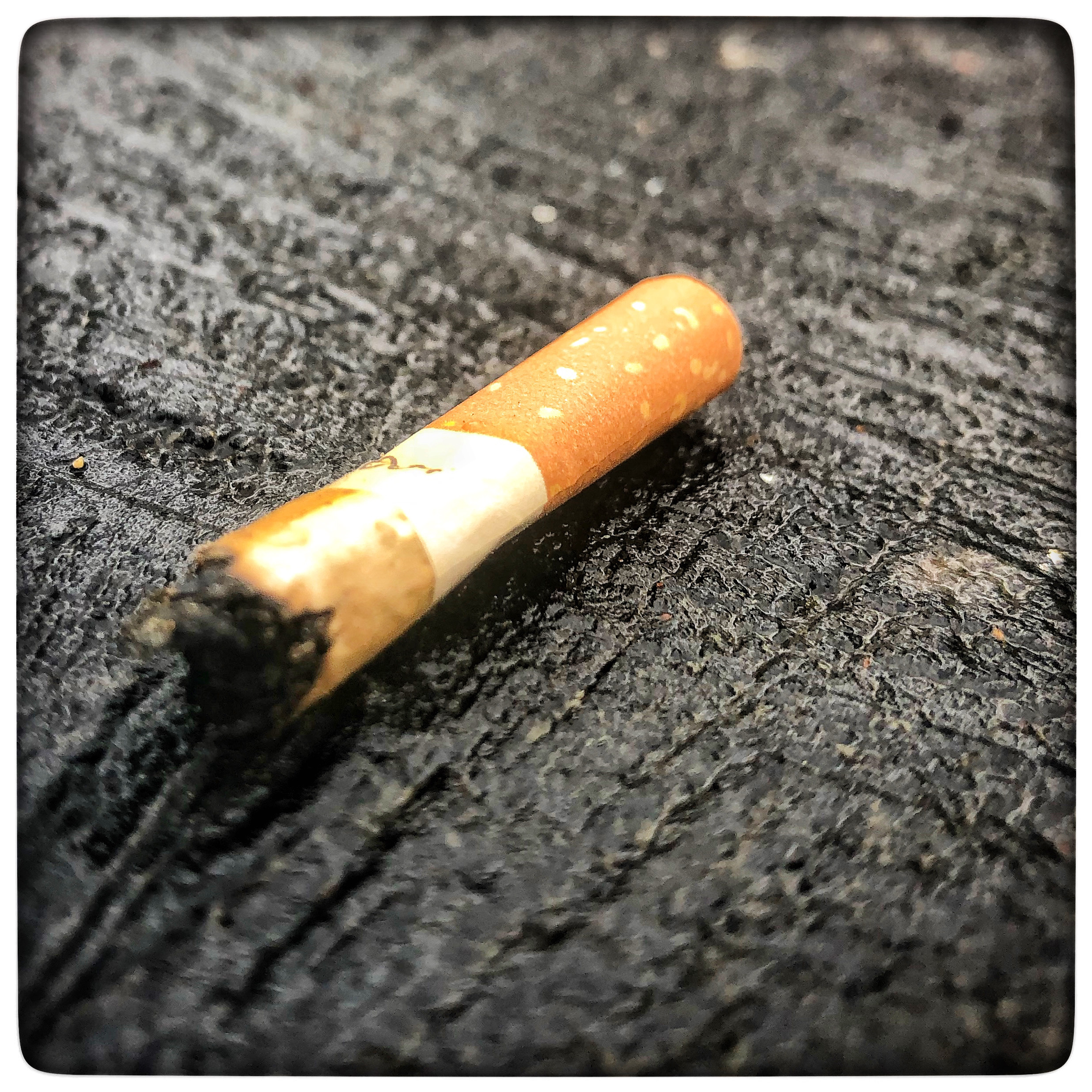
When I was young(er)
When I was young I thought life would be complete if I had a beard like Grizzly Adams, a car like the one in Smoky and the Bandit, and a girlfriend like Michele or Dale in my class. I always knew the girls at school were always better than the ones in the films, they were real. But I still held on to my signed photo of Wilma Deering from Buck Rogers. Just in case.
When I was young I made a pop-up Valentine’s Day card for the most beautiful, funny and athletic girl in my class, but she never received it. I remember looking at the pink ink running down my hand as I stood in the rain, three doors down from her house, trying to summon the courage to ring her doorbell. I’ve still got the card, I think it’s important to remember how big those small moments can feel. And my Mum found it hidden in my wardrobe and stuck it to the photo-board at my 21st birthday party.
When I was a boy I understood that people died. I remembered the sight of my Grandfather’s chair when he was no longer around to sit in it, and laugh loudly, and hand me giant tins of oysters. He died in his sleep, and I presumed that was the way I would go, not riding my BMX off the skateboard bowl, or running down the train tunnels as the train entered the far end, or being put in a ‘sleeper hold’ until I passed out. Years later people tell me that I’ve grown to be a little like him, and that makes me swallow, and blush, and feel proud.
When I read the comics I found at garage sales, I thought that Sea Monkeys and X-Ray Specs and Joy Buzzers would be and work exactly as advertised. Some adults feel the same way about international trade agreements, capitalism and world heavyweight boxing matches.
When I was young I thought that selling the life-size picture of Boba Fett I drew (with 18 felt-tip pens) to Kelvin for a can of coke and a go on his bike, was a sure-sign of my artistic future. Then I took art with Ms Manthell. She inadvertently taught me that the power of art was no longer in the hand of the artist, and never to trust an art teacher that didn’t like Kate Bush.
When I was nine my main rival for smartest kid in class was Kieran Bleach. It didn’t matter that she was a girl, it did matter that she beat me in spelling tests. She went to a girls school when we turned eleven, and I missed my nemesis. And learnt the word nemesis. A year later a ‘Fijian prince’ joined my class. It didn’t matter that his skin was a different colour, or that he had an accent (ok, maybe the accent was a bit fun), and eventually it didn’t matter that he was a prince. It did matter that he was funny, and fast, and had the biggest smile. It’s the truly important things that matter when you’re a kid.
When my Dad told me he went to school with the Six Million Dollar Man, and beat him in running races on school sports day (pre Bionics, obviously), I kind-of believed him. I also believed in George Lucas. My Dad never let me down.
I believed with great certainty in my own form of god, and in reincarnation. I can’t pinpoint the moment that being reborn in another form no longer made sense, but god lost his/her/its hold as I was drawing Wonder Woman in art class. I’m still not sure about Wonder Woman.
When I was young I sometimes wondered if the whole world existed to contribute to the story of just one boy or girl – that child was the star, everyone else was just ‘extras’. I wondered if I was the star, or just another player. Then I wondered if I had enough coins for a k-bar. Philosophy is transient when you’re eight years old, sugar is forever.
When I was maybe eight or nine years old I had my first dream in which I realised I was in a dream, and as such I had the power to do ANYTHING I WANTED, without getting in trouble. So I splashed in lots and lots of muddy puddles, then woke up clean.
When I was at school, and girls were almost as much a mystery as now, I loved and feared the furtive communications network of note-passing in class. As I aged, email or texts had a little of this power, but you don’t have a chain of giggling friends passing your email to you, threatening to read it. And email doesn’t smell like a freshly torn piece of maths-book paper.
I read about other lands, other countries, but at times they seemed so impossible, so far away. I thought that there was a good chance that New Zealand was the extent of the world, and that perhaps when people boarded a plane “they” simply gassed them all, and the people dreamt they went to far off lands. “They” didn’t figure very much in my childhood. In those days all burglars wore masks, all cowboys wore hats, and all policemen had moustaches. Then one day a girl who had always teased me, upset me, and called me square-head… she kissed me. All bets were off.
When I was young, I valued the idea of valour, I wanted a code of honour, I loved the idea of chivalry. I believed that most adults had my best interests at heart, and that the ones that didn’t were cautionary figures; at worst cartoon villains – scary, weird, but not capable of true evil. I had no idea how fortunate I was that this belief lasted my entire childhood.
One of the most important and telling things about my younger years was that I believed I could be or achieve anything. There was no such thing as probabilities, possibilities or impossibilities. Any objective could be realised with a mix of imagination and time. Imagination was more powerful than adults, film-reviewers and physics. A childish idea of Time was the key though, it could negate all barriers, if I didn’t achieve something today that didn’t make it impossible or unlikely, it just meant I might have to wait until tomorrow, or until I was ‘old enough’, or until a blue moon. When I was young a week was like a year, unless next week was Christmas, in which it was forever.
I’m at a different stage of young now, I think (hope?) that youth is a spectrum rather than an on/off state. I’m still in the lower end, just up from the BMX loving, shy-around-girls section, and hope I always will be.
The power of words
They can propel us forward or stop us in our tracks. They can shift our mood, seduce a potential mate or deflate an ego. Words can reshape our entire world. The removal of the word ‘human’ from the category of ‘nature’ has damaged our relationship with all those organisms that we share the earth with. This is further impacted by our inability to understand non-human methods of expression. Would we hunt, imprison and harvest non-human animals so quickly if they could plead their cases in a language we could comprehend? Words are seriously powerful Ju-Ju.
Some of us realise and utilise this power. We pick our words with care, and then use them as creatively as possible. Others seem to believe there is a tax per sentence, a metaphysical cost to each conversation. Even this difference in attitudes towards words is important. A friend recently explained to me that she believes that differing language capabilities might well have impacted on her relationship with her brother, and I know my own relationships are the strongest with the people I can chat to for hours.
Even knowing all this though, I sometimes fail to give words the respect they deserve. Occasionally I’ll drop a sentence with little thought or consideration, and then redden as I watch disappointment well up in someone’s eyes. I once shared a few reunion drinks with an old friend at a dark den of wine-consumption. As we gathered our coats one of our fellow wine tasters told us what a great couple we made. We were both quick to point out that we were just friends, but as we left my words failed me. They didn’t disappear altogether, if only. Instead I managed to use them to undo us. I took her arm, chuckled again and said ‘we could be a hilarious couple’. That sentence was the end of ten years of singing David Grey at the top of our lungs, sharing post-relationship-breakup insights into love, and showing Wellington how not to dance. I’m not sure whether I’m more upset at the poor choice of words, or my once-friend’s reaction to them. But wherever the fault lies (and no doubt it’s somewhere between the two of us) I miss our shared guffaws and occasional tears, and I realise more than ever the power of a sentence to destroy something beautiful.
My words aren’t just important for their ability to communicate information to others though. They also have an effect on the way I see my life, and on the decisions I make for myself. The way I feel about things is revealed in the way I talk about them. If I’m unhappy with a person then the language I use to describe them reflects that. What I’ve also found though is that the reverse of this is also true: The way I talk about things affects the way I feel about them. If I continually refer to myself as a fat and incapable then I reduce the likelihood of my getting up early to go for a bike ride. If I put myself down when someone gives me a compliment, then that compliment is undone, and I may also hurt the person who granted me their uplifting thoughts. The words I use can act as a step up into somewhere brighter, or a step down into somewhere darker.
The words I receive are just as important the ones I give. There are so many sources, from romance novels to WikiLeaks, and each time I pay them attention they have the potential to alter the way I see the world. So I need to be selective in where I draw my information from, and to maintain a degree of skepticism. Over the years I’ve found that it’s important to supplement this library of influences with something far more evocative, far more intimate and thought-provoking. Conversation.
Languages develop in order to exchange information, and it’s this through this trafficking of words that I most readily grow new ideas and transform old ones. I have never learnt as much from university texts, Hemingway’s ‘Old Man of the Sea’, or the Quran, as I have from long talks with fascinating people. I learnt of the ability of a death to transcend even the most carefully prepared defences from an oncological nurse from Tasmania. I had to confront my ideas about gun control in the United States after talking with the people who had lived through violent confrontations and fought back. And I learnt of the ongoing effects of the holocaust as I journeyed to a bunk room in Auschwitz with an Australian girl whose grandfather had survived three years within. She translated as we followed a Jewish school group through the eerie grey work camp, shuddering at the rooms filled with ghost children’s shoes. I could entwine my reactions with hers, and I both grew and shrank a little over that soul disrupting couple of hours. Words. Are. Powerful.
As a writer I aim to put my words in front of as many people as I can. I aim to entertain, inspire and occasionally confront. I understand that there is a degree of responsibility within this, but at least I can edit my responses before they’re published. It’s the words I swap with people every day that I need to ensure that I’m mindful of. If I take care to communicate in ways that lift both me and those I spend time with then I should never have to lose a friendship over a misunderstanding again.
Happiness
Over the past week I’m the happiest I remember ever being, but why is that? I feel a need to delve deeper into my state to understand its source, to determine what things lie behind it, as maybe then I can perpetuate it. I’m not looking for a universal answer, I have no doubt we all vary in the catalysts for our joy. I’ll be happy enough (haha) if I can develop a personal answer. And in the hunt, maybe others will find something useful too.
After recently spending a short time living at the base of the Rocky Mountains and then in the Scottish Highlands, I’ve come to better understand how much my surroundings affect my mental state. When I spend time living in busy spaces, be it the centre of Edinburgh or the edge of Wellington, I find I can jitter under the influence of too many distractions. My thoughts reflect the rapid changes in my environment and while I am thrilled to be able to access so many different experiences, I struggle to prioritise the important things. I get distracted by the process of just living. As a result I frequently feel an urge to climb aboard a train to Shannon, or bike down to Leith, or catch a boat to Marlborough. And when I do this, when I disembark into birdsong, ocean breezes and woodland scents I can’t smother my grin. I’m bounded by stretched out horizons sculpted by natural forces rather than urban planners. My thoughts slow to match the pace of my new surrounds, the slow steady shift of the seasons, the tides, the weather. And amongst the trees, hills and sand dunes happiness finds its way into me a little more quickly. Or maybe it’s just that there is less to distract me from its persistent presence?
One of the great by-products of time spent surrounded by Scottish Lochs, Kapiti Coast estuaries and Colorado foothills is that these immersive and ever-changing environments inspires physicality. I want to bike through them, hike amongst them, climb them, jump into waterholes from them. They encourage natural paths to fitness, and when I’m fit and active two things happen. Firstly I no longer have to think about how unfit and inactive I’m becoming, and that’s such a hideous, ugly psychological burden. Secondly I want to share my love of these spaces with friends and family. So rock climbing, swimming and water fights replace pub haunting as my communal activities of choice. And I honestly believe that the relationships developed through positive activities can be stronger and deeper than those developed through sharing shouted conversations in nightclubs. Of course there’s little better than sharing a glass of wine or cider on a beach after a hard day in the outdoors…
So there’s a degree of physicality involved in my ongoing happiness. But these natural spaces also tend to enhance my creativity and I need to create to feel whole. I need to write long letters, draw intricate sketches and build cairns from stones harvested along river banks. It’s this making, crafting, doing, that is one of my best indicators for how comfortable I am. When I’m happy my creative capabilities become second nature, they flow more cleanly from me. So I guess in some ways they’re a symptom of my happiness as much as a cause of it. But sitting making pottery in the woods isn’t enough, not without anyone to share the results with. I love people too much.
My relationships with other people might well transcend all else as the primary keys to my positivity. Over recent years I’ve realised that I don’t need to entertain people in order to hold their attention, I just need to be myself. I’ve always enjoyed listening to people, trying to understand the things that they believe about the world. Taking up writing has intensified my interest, and I love talking with new friends and old, and engaging with them. I’ve been through enough ups and downs in my life to be finally able to offer long, deep, meandering conversations that can be of benefit to both those I talk to, and to myself. It can be scary at times, letting people see the real me. But it also seems to enable my friends to talk more honestly about themselves, and these growing relationships make me happier than anything else.
I’ve also learnt the value of being a positive person, on being a beneficial influence on the people whose company you enjoy. This has left me very grateful to the people I’ve learnt this from, and I’ve found that expression of this gratitude is another key to a blissful state. If I take the time to talk honestly to people about how much I appreciate them, or what they’ve done, we both get to feel good about it. At times that’s difficult in a low-key humble-is-best country like New Zealand, people aren’t always comfortable with having their little kindnesses praised. But it’s one of those things that takes just a little effort, and rewards both parties, despite any potential blushing and mumbling. I am helped along every day by people, and I want to always remember to acknowledge this, and to learn from their generosity of spirit.
As I’ve been writing this article I’ve realised that the simple process of learning new things is one more thing that brings me joy. I gain something from learning new things. The act of discovery, of learning new skills or simply improving my knowledge motivates me. I love researching the history of wolf hunting in Russia, or learning how to craft straw bales, or how to whisky is made. Or delving into what I need in order to be happy.
It seems then that all the conditions for living a pretty sweet life are within my control. They’re all reassuringly positive, I don’t get off on lighting fires…actually, maybe just a little. But good fires. But it’s not the denigration of others that makes me smile, it’s not the harvesting of power, nor the accumulation of wealth. I simply need to immerse myself in my environment, in my creativity, and in my relationships with my friends. It is very heartening to realise that happiness might well be a lifestyle, rather than a destination or a goal.
On drawing all the grins we can from life
I guess not being in my thirties any more, I’ve begun spending time looking at how I can make what remains of my time on this colourful wee planet as “good” a time as possible. Good. Positive. Not complicated terms, not particularly poetic, but they’re the best expression for what I mean. I want to continue to chuckle, guffaw and grin, I want those who I enjoy spending time with to draw positivity from me, and I want to find someone I admire and respect to share my experiences.
I’ve spoken (typed) before about understanding what makes me “happy”, but I also think it’s important to draw joy from as many aspects of life as possible. I also believe I need to avoid counteracting this with too much stress about the past or the future. Life throws enough challenging events at us independent of our own fears and regrets. We don’t need to compound these with our own neuroses.
Some time ago I started with minimising the negatives. A good friend and probation officer (not mine…) once convinced me that there’s no point in having regrets. She explained that every choice we make, everything we’ve undergone, made us who we are today. She was able to help me cull my most significant regrets, or at least turn in them into something I could handle. I find that remorse keep me locked to the past, they’re a result of placing too much weight on a choice I once made, and failing to take what I’ve learnt and move on. I was (slightly) younger when this information was imparted, I was to a degree an idealist, and I had someone I cared for and shared with, that I thought would be with me forever. But over the years since then, particularly after discussing this with others, I’ve realised that this approach is far simpler if you’re happy with who you are, right now. If you’re convinced you’re in a shit place, and that you’ve put yourself there through your choices, this bouncy, positive ideal is a bit of a struggle. Maybe even offensive. So maybe we also need to look at ways to avoid collecting the regrets in the first place.
Each day we’re faced with choices. From whether to tell our second-best-friend that we believe their soon-to-be love bride is a terrifying, soul leaching mistake, to assessing whether flip-flops are appropriate footwear in Rattlesnake Canyon. Some of these decisions deserve serious consideration, but too often I’ve dumped too much energy on the simplest, most inconsequential decisions. How many online reviews do I read, agonising over which travel camera to buy? It’s a camera, bruv, not a double mastectomy. Rather than sweating the smaller stuff, I’ve realised I should be dedicating more time to the other end of my choices, the results. If I don’t learn from my choices, I’m Homer Simpson without Lisa or Marge. If I don’t pay attention to the outcomes, I’m unlikely to learn from the greatest tutor of all, experience. But just as importantly, if I examine the entrails of my choices, I can usually find something positive or constructive in even the worst seeming outcome. If I fail to pay attention, and determine only that I made a “wrong” choice, I miss the chance to grow from the experience. This was hugely important in moving beyond my last relationship, and something I failed to do when my marriage went tits up. And the only thing I readily think of when I consider my regret status, is that painful separation from my once wife, Claire. At least today.
The most recent area I’ve been considering, is how I might use my competencies in one area of my life, to improve another. Specifically, harnessing my ability to derive satisfaction from my work, whether it is chainsaw sculpting or working for the most evil Irish bar owner in Britain, in order to improve the areas in which I tend to flail. Like finding someone who wants to share the incredible experiences I’m going to continue to lift from life.
While I was picking up a range of coffee-making, dish cleaning and scone baking skills in Michaelhouse Cafe, I had an affable, passionate manager, Dean. He steered me from lagers towards real ales, and he introduced me to the idea of finding a whiskey that works for me. You might be thinking “top bloke, job done”, but he had one more trick up his occasionally philosophical sleeve. When I left the kitchen in Cambridge to return to New Zealand, he told me my approach to baking was like something from “Zen and the art of motorcycle maintenance”. I had an idea that this meant I tried very hard to find joy in whatever it was that I ended up doing. It was only three years later when I read Robert Persig’s book. The author explores the way we can derive quality from life. Even if we’re faced with difficult or monotonous tasks, chores or jobs, it’s all down to our attitude. He uses his characters to give examples of two different ways we can leverage “quality” from life. The first is the “romantic”. These people focus on being “in the moment”, and care little for the workings of the things they experience. The other point of view is the “classical”, these people derive joy from understanding the mechanics of what they are doing, they attempt to understand all the intricacies of their experiences. Like with any good explanation of opposing ways to reach the same destination, Persig’s protagonist, Zen, decides the most worthwhile approach, the one most likely to result in the best quality of life, is a mix of the two approaches.
When I look at my approach to work, to performing tasks in order to make enough money to live, I can see my approach is a useful mix. When I was learning to bake, starting work at 6:30am on midwinter mornings, I biked to work through the snow with an ipod soundtrack accompanying my slips and falls. My fellow early starters and I used banter, “chef’s rants”, and cooking competitions to drag giggles from long hours of hard, hot work. I struggled towards the perfect complement winning scones, the most splendid pizzas, the finest five grain loaves. And it was rare I had a bad work day.
But when I look at my attitude to relationships, I have always been a romantic. I am always trying to achieve better, more memorable moments, and I’m disappointed when I can’t contribute significantly to the happiness of the person I focus on. I have been entirely willing to set such things as “the children question” aside, so that I can just create incredible, beautiful, memorable events. I’ve run to the other side of the world for a chance of a life eternal with someone I barely know, ignoring the difficult questions, like whose family to spend Christmas with, differing opinions on the ideal temperature for beer, and the Northern Hemisphere inability to handle Vegemite. As a result of these ill-informed, spontaneous bursts of romance, I have had some incredible, passionate relationships, but eventually they have had to end. I failed to address the mechanics, the framework. I rarely looked towards the inevitable frustrations, the tearful departures, believing passion and faith would be enough.
I know now I need to balance my romantic idealism, to engage with a woman (sorry lads) who doesn’t want things I can’t offer. I need to ensure I learn from my choices. And I will try to harbour no regrets. I’ll let you know how that all works out for me some time.
On learning from others. And yourself.

Last winter my long term relationship came to an end. I met Alison whilst working in my sister’s backpacker hostel in Northern Ireland. When I first met her, I thought “Naaa[maybe]”. Over the next few weeks this progressed to “Maybe [naaa?]”, finally I ended up at “Hells Yeah!” It came down to me waiting at an airline counter in Dublin. I asked the Ryanair check in woman to toss a coin for me, as I couldn’t tell whether I should stay in Ireland and pursue the Northern English crumpet, or head on to new things. Even now I can’t remember if she actually showed me the coin, I just remember her Irish accented “teeyils!” and the accompanying grin.
Alison meant a lot to me. She was my moral compass, a pretty solid white yin to my somewhat dark yang. We had a chaotic time chasing opportunities around the globe. We also went through a lot of difficult struggles in our attempts to stay together, but we’re both prepared to fight for the lives we want to live. But in the end it was the children that undid us. She wanted them. By the end she wanted them soon. And I couldn’t solidify an answer on the topic. Or an answer that wasn’t “No”. So she left.
Yip, it hurt, and my first instinct was to numb the pain that accompanies my particular brand of self doubt. I clambered aboard the crazy train, bound for Shitfaced, Nebraska. But I soon began to recognise a guttural ugliness in my barfly conversations. So I gave myself a metaphorical slap about the face, and decided it was time to use loss as a catalyst for something positive. I dropped the alcohol (most of it…), bought an old Olympia typewriter and exorcised the bad thoughts through frantic keystrokes. I entered the summer with a slowly expanding manuscript, and the fizzy enthusiasm that the warming sun and smell of freshly mown lawns brings out in us kiwi’s.
I began sharing the season with a range of travellers, through Couch Surfer. My lounge and deck became a mini backpackers, and in exchange for a place to sleep, and my delightful company, I harvested their stories. From mental health nurses to snake breeders, I had a whole new range of ideas for character traits (and flaws…) along with enthusiastic punters with which to re-explore my city. The last of these near-random friendships was an American film maker, Francoise. Her and I spent the end of summer squeezing a hundred adventures into the shortening days. And in between chaotic film making, we spent the evenings attempting to unlock such mysteries around how we all determine our self worth, and how to best represent the mating of a shark and an octopus, in the form of a pie. A perfect blend of introspection and the surreal.
As the weather shifted from beers on the deck to hot chocolate in front of the fire, an astounding friendship was formed. From time to time we all need someone else to help us to get some perspective. Over ten weeks Francoise and I realised we’d found someone who helped us better understand who we were. I’ve spent many years learning to talk about what I feel. Kiwi blokes born in the 70’s don’t function that way, but a failed marriage stood testament to where being staunch gets you. One of the benefits of knowing how to explain yourself to others, is that there is a chance that they will then be able to share with you. And I now get to understand the heart of someone, whereas for years all I tried to do was to get someone to laugh, or cringe, or use a mini-tramp and a matress to do dive rolls over a bonfire.
Alison and my separation took my overly cynical outlook to ugly new places. But fortunately I realised that dwelling in dark places only prepares you for a life in the shadows. My writing had been depressive, anxious, and occasionally cruel. It needed to progress, to be more balanced. Several years ago I decided to take up snowboarding. Just before I first thundered my way down the beginners slope on a rental board, a helpful friend told me that I’d go whichever way I pointed my head. Then he pushed me into the snow. His technique though, was a significant step forward in my attempts to protect my arse and my dignity. I’ve found that my life can be like that, if I point my face towards the warmth, that’s where I tend to drift. I might take a few good falls on the way, but at least when I rise I’m looking ahead. And hopefully this is reflected in my words.
Francoise, I’m looking forward to continuing to head on into the warmth with you. Thank you for helping make this kiwi summer the best one I can remember.